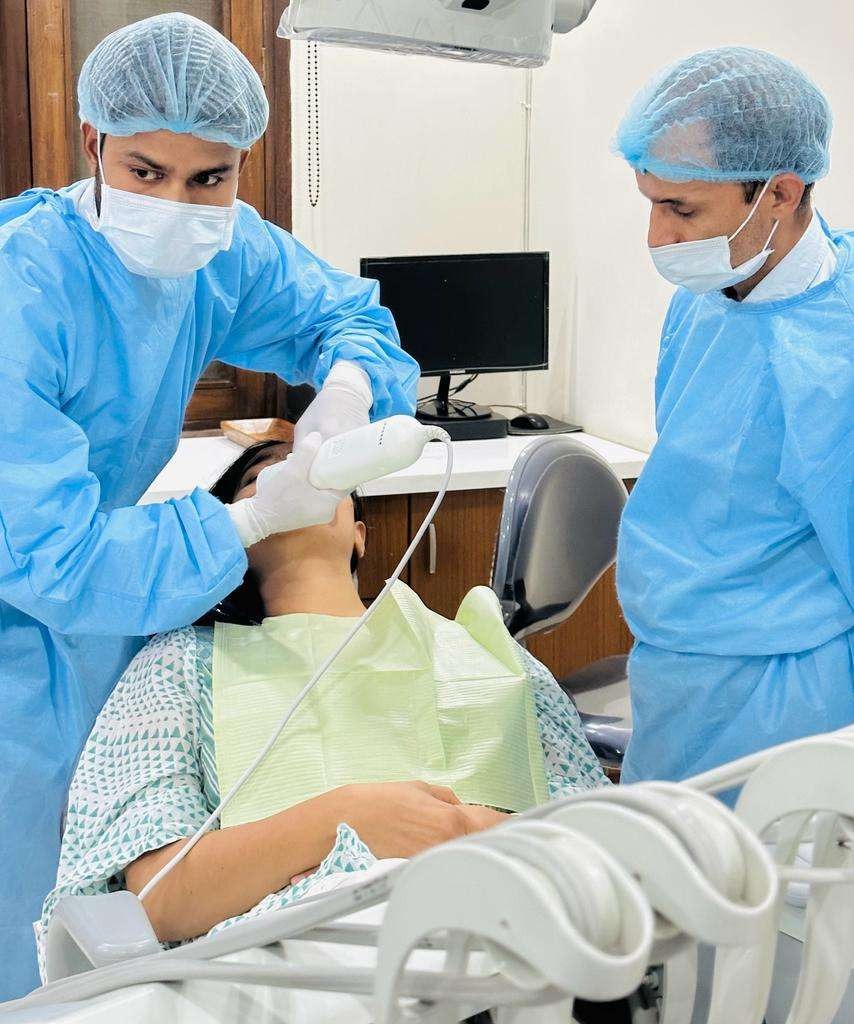
Advanced Dental Implants in Gurgaon – 10,000+ Smiles Restored.
Led by Dr. Pooja Yadav, MDS (Prosthodontics) – 13+ Years of Advanced Implant Expertise & Digital Smile Design.
12+
02
08+
Expert Dentists
10K+
Patients Treated




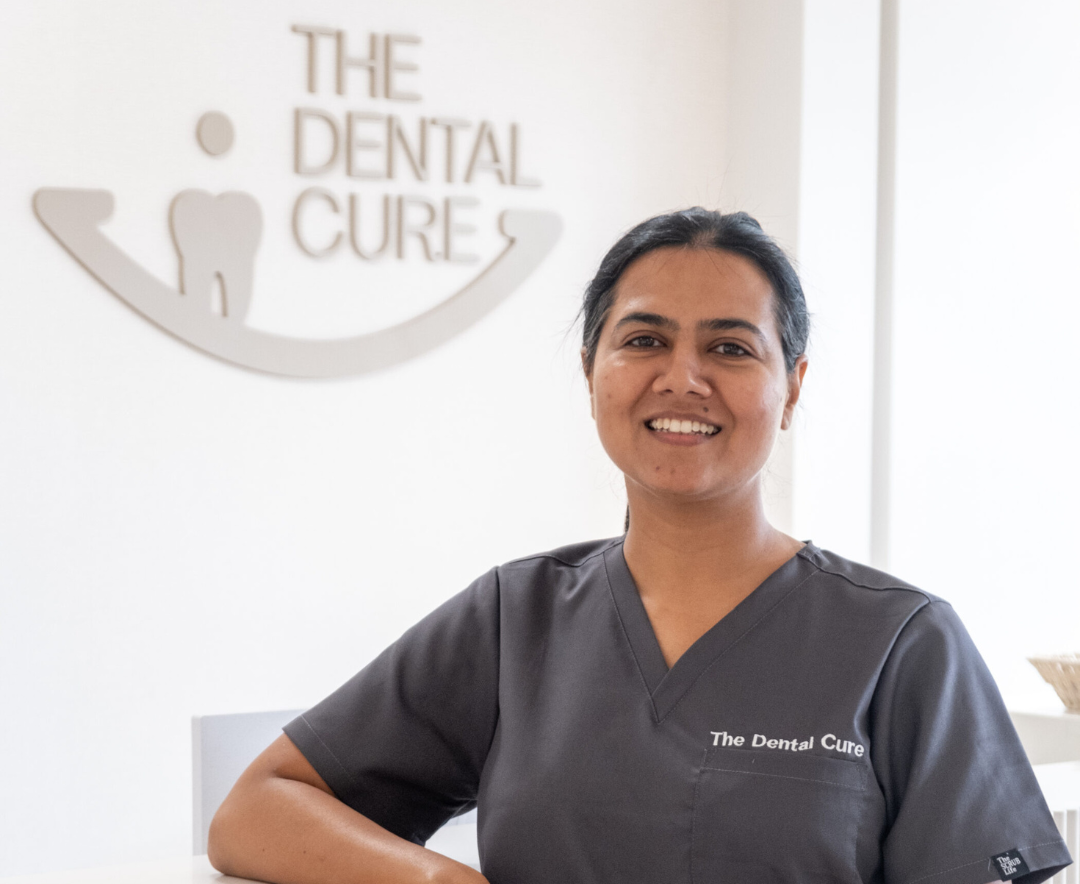
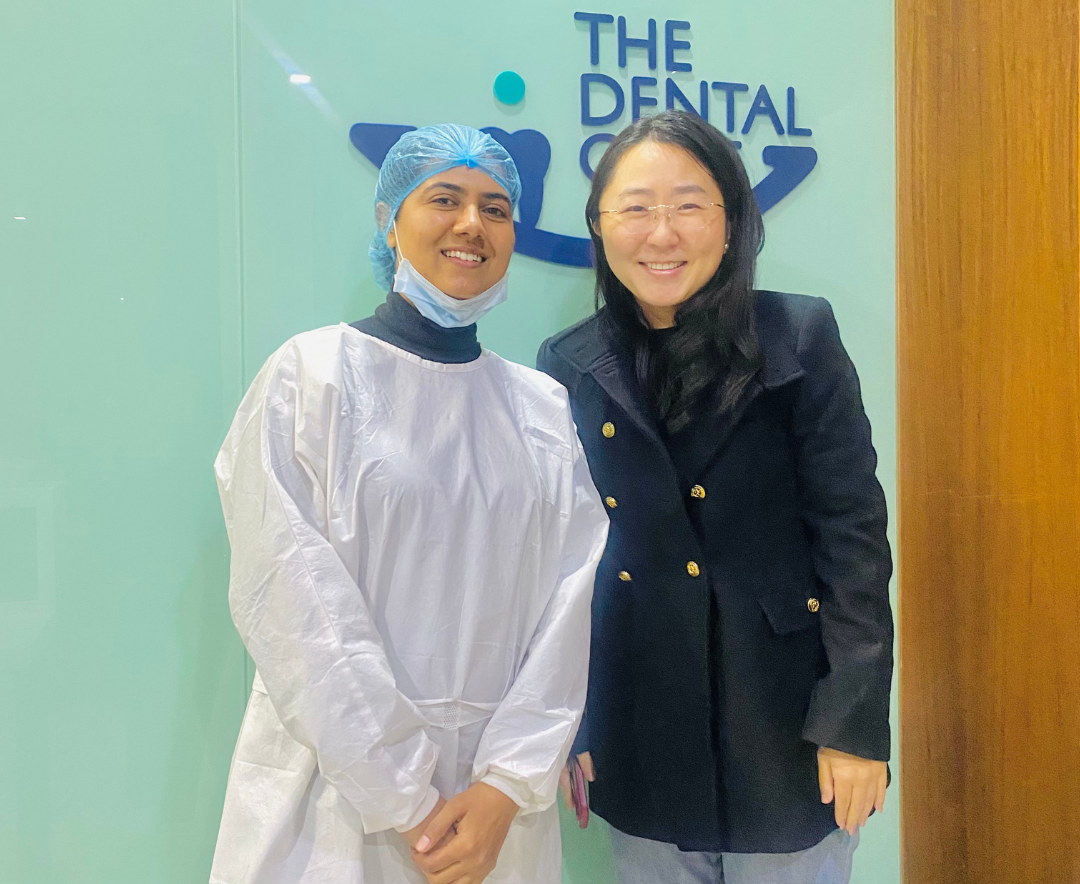
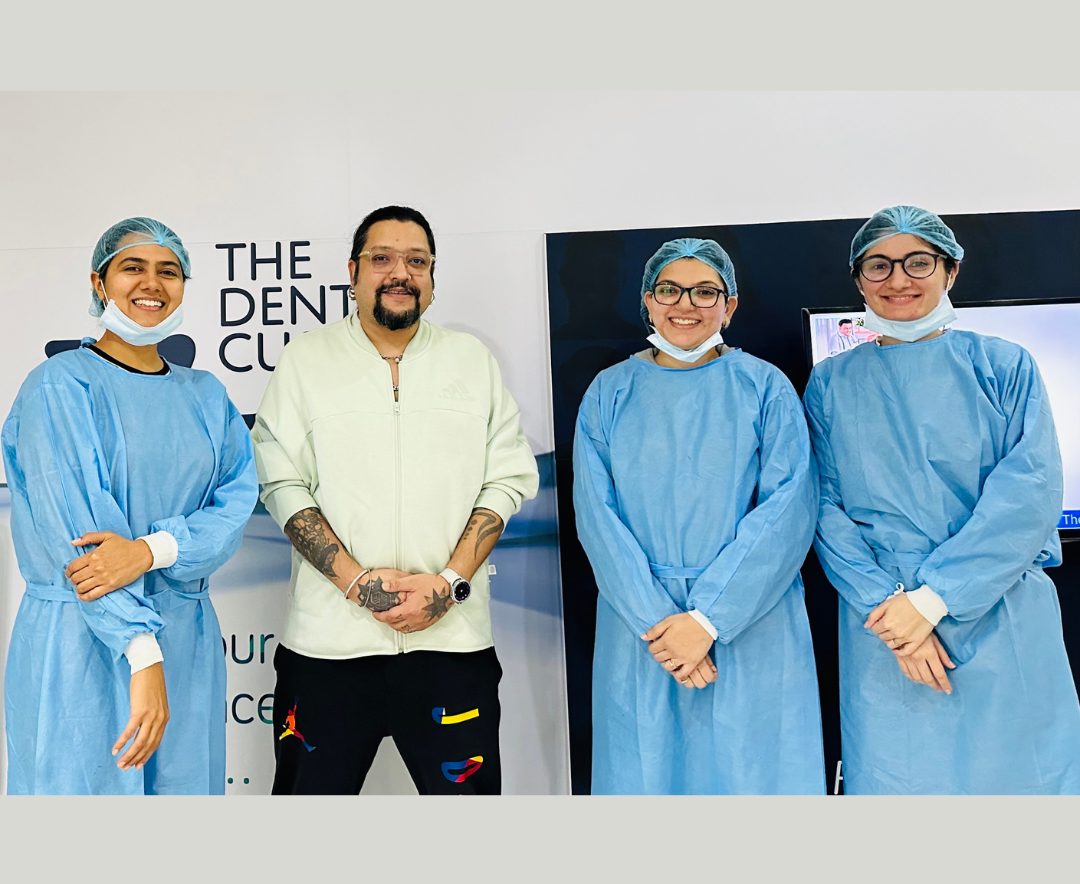
Meet Implant & Smile design Expert
Dr. Pooja Yadav
BDS, MDS (Prosthodontics) — Prosthodontist, Implantologist & Smile Design Expert.
Dr. Pooja Yadav is a highly experienced Dental Implant Specialist in Gurgaon, with over 12 years of advanced clinical expertise and more than 10,000 successful smile restorations. As a Prosthodontist, she specializes in full-mouth rehabilitation, single-tooth implants, and complex implant-supported restorations.
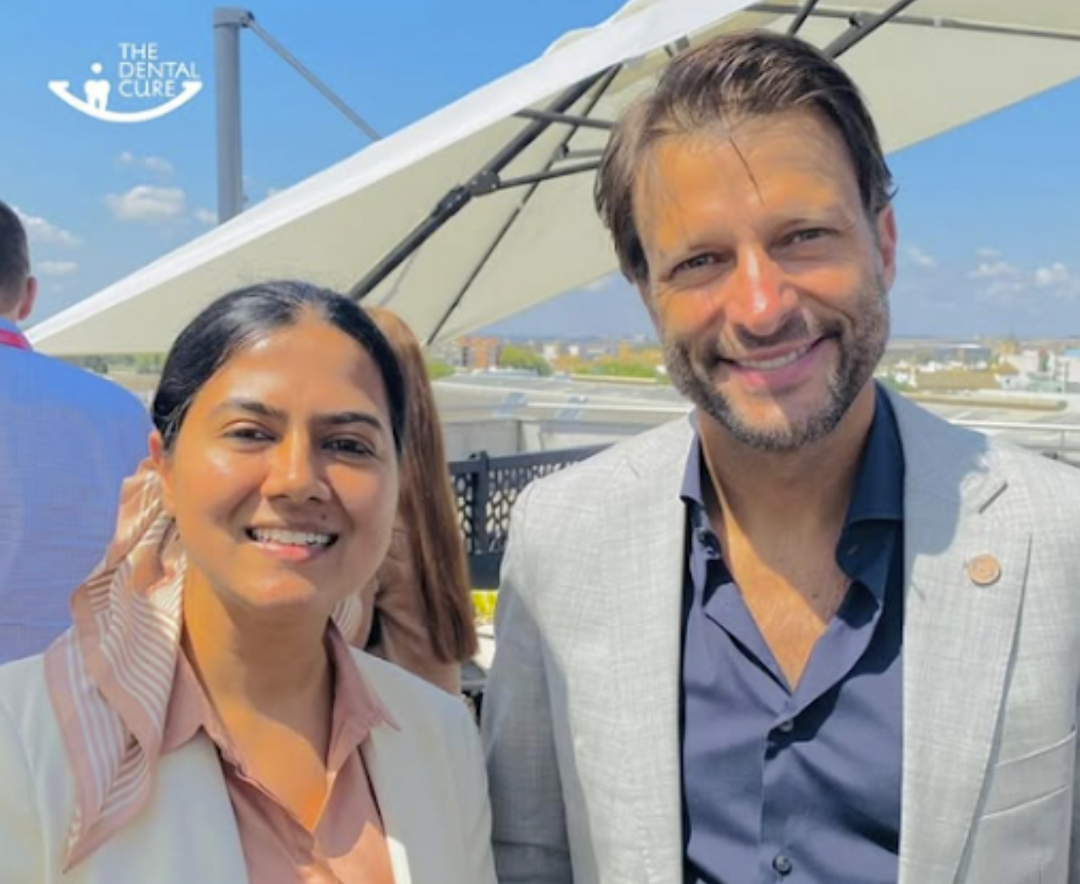
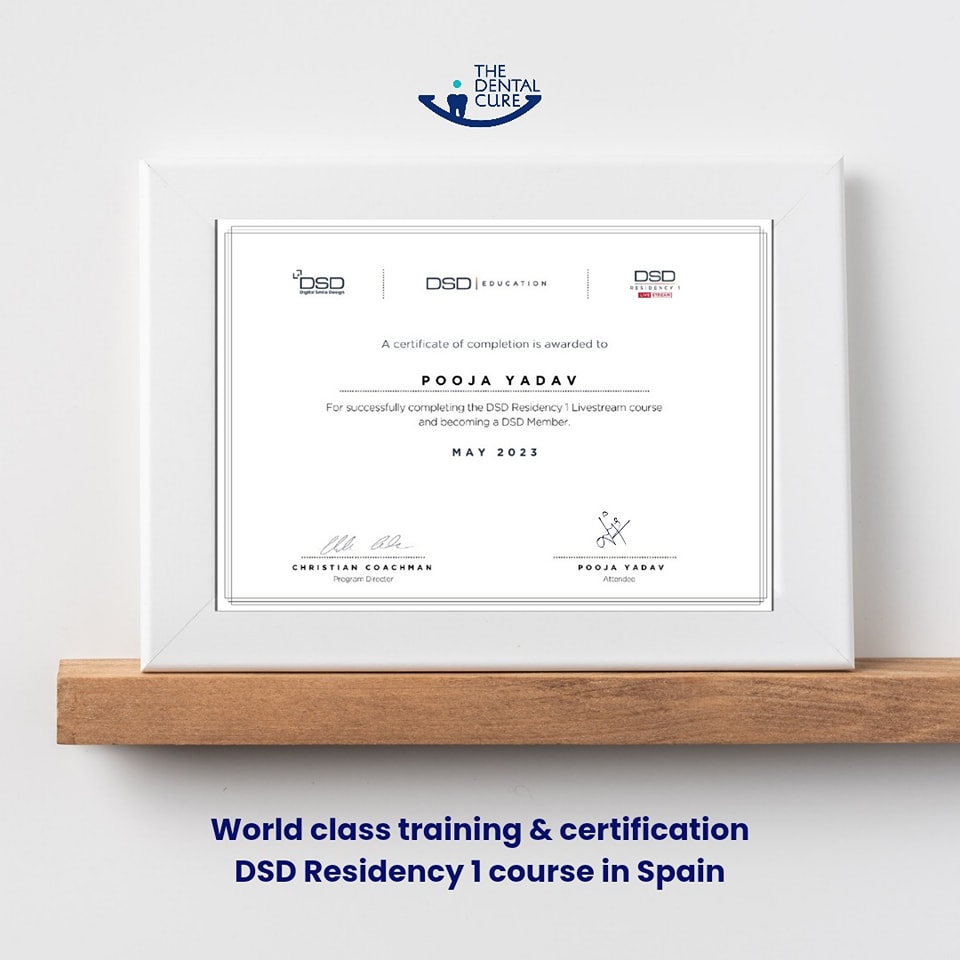
She is a DSD Certified Specialist, trained under Dr. Christian Coachman (Spain), founder of the globally recognized Digital Smile Design (DSD) protocol. This allows her to combine surgical precision with aesthetic planning to create implants that not only function perfectly but look completely natural.
At The Dental Cure, Dr. Pooja focuses on:
• Pain-minimized implant procedures
• Precise digital planning for predictable outcomes
• Long-lasting, natural-looking restorations
• Personalized smile design tailored to facial harmony
Her approach blends technology, artistry, and compassionate care — ensuring every implant treatment is safe, comfortable, and built to last.

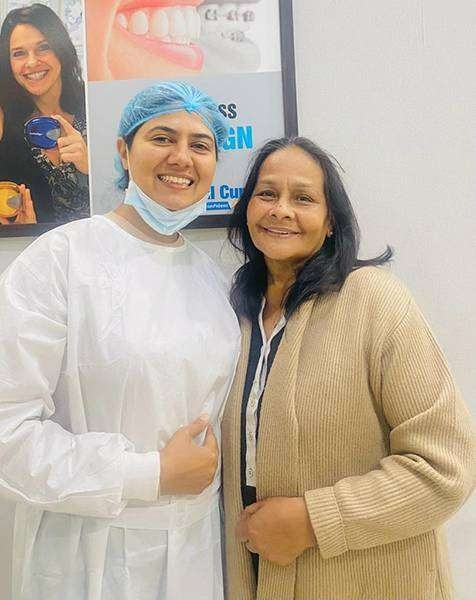
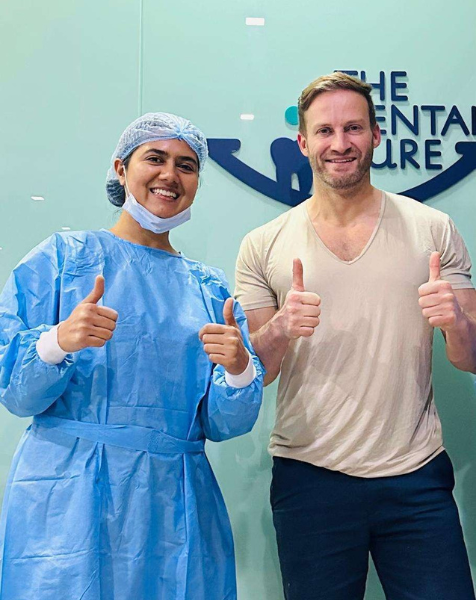
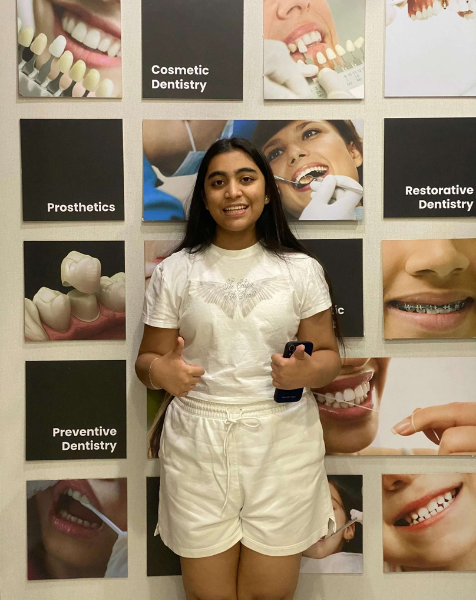
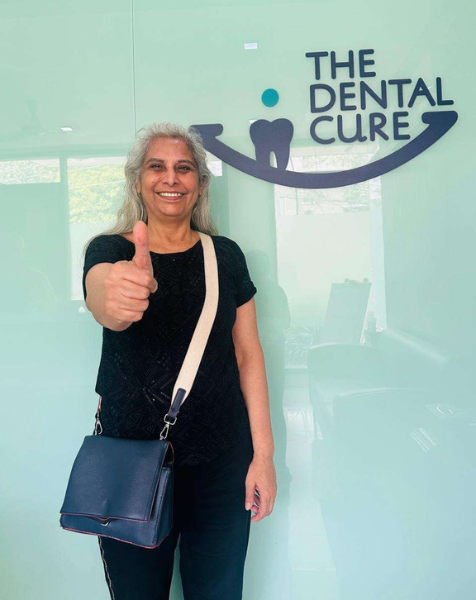
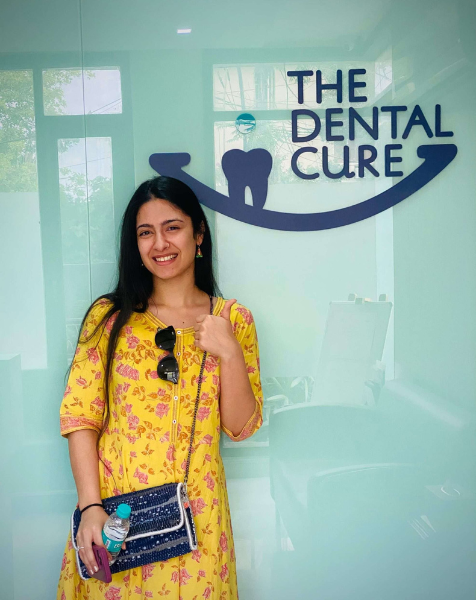
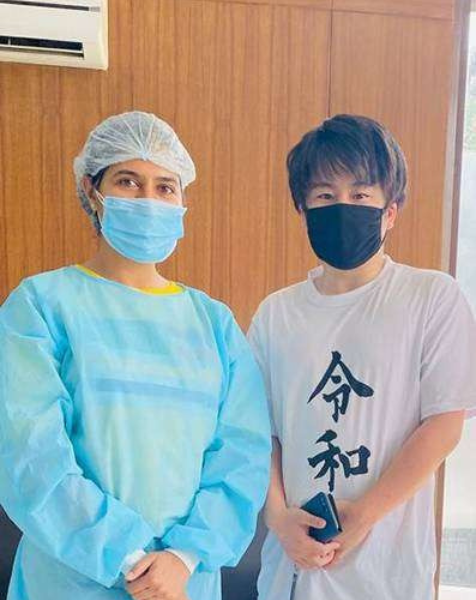
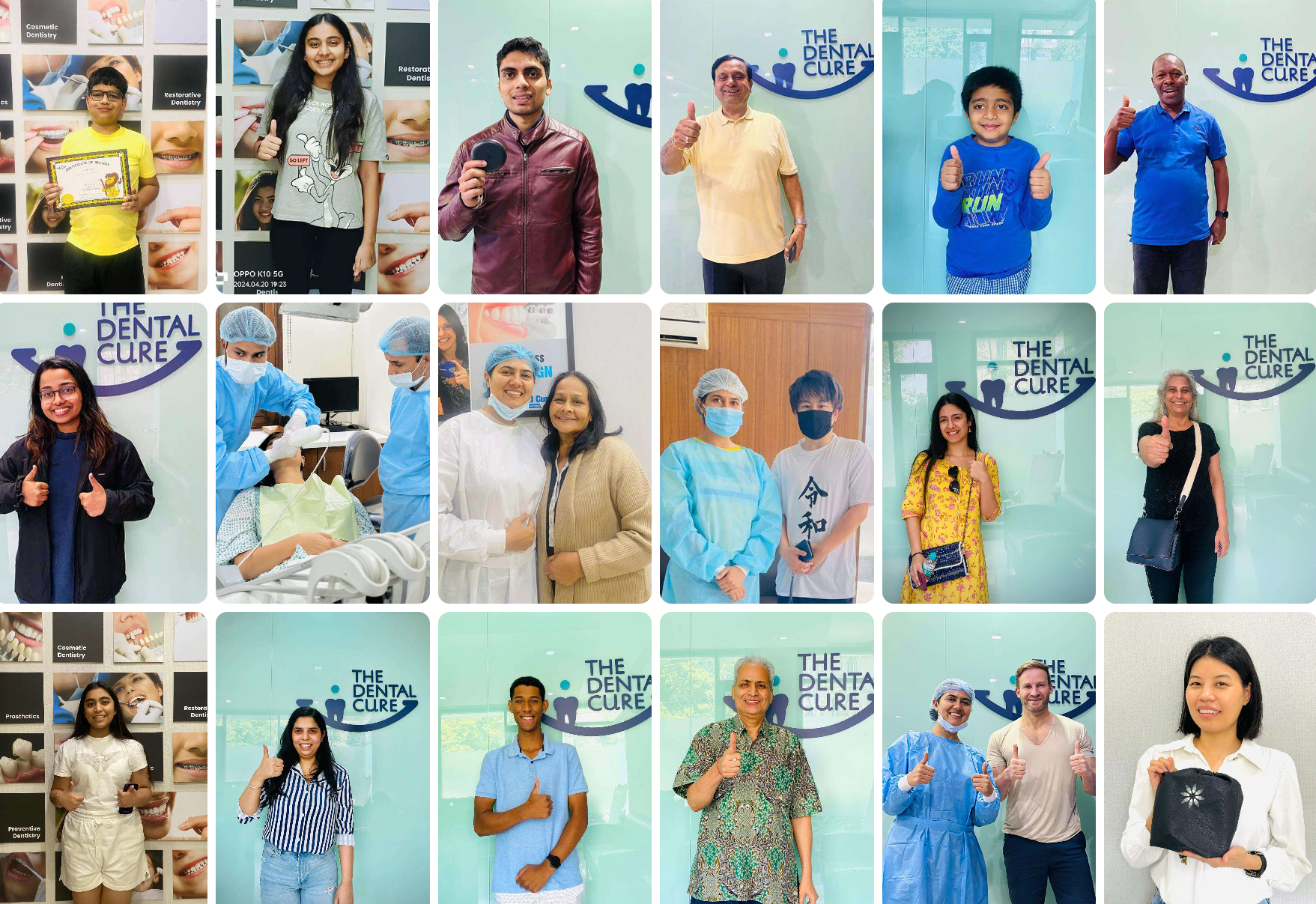
Voices of Our Global Clients
United States
Australia
Australia
India
United States
Australia
Australia
India

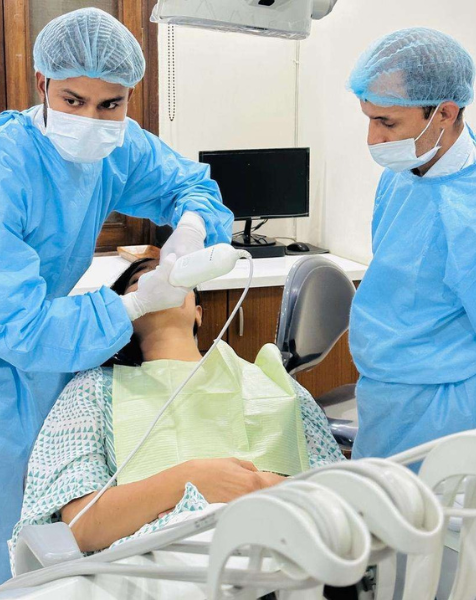
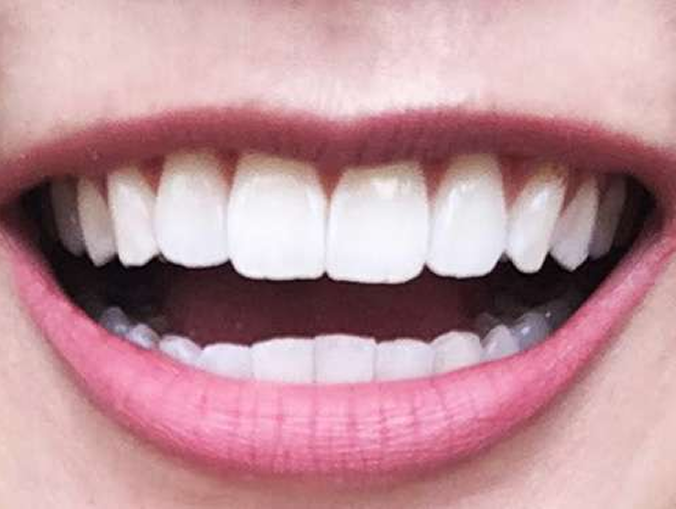
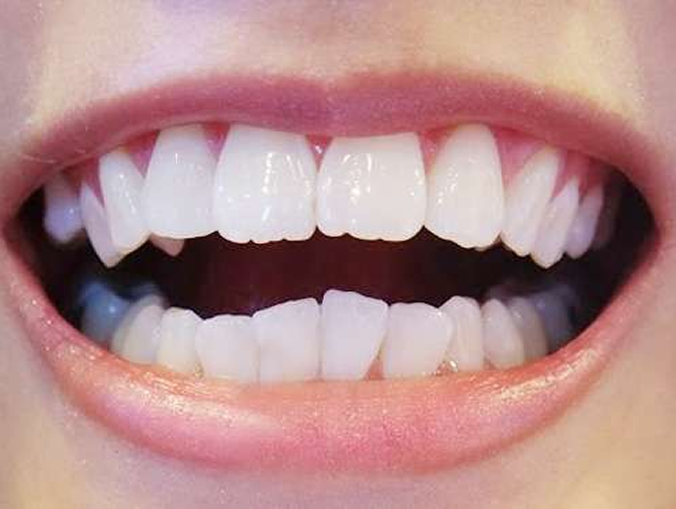
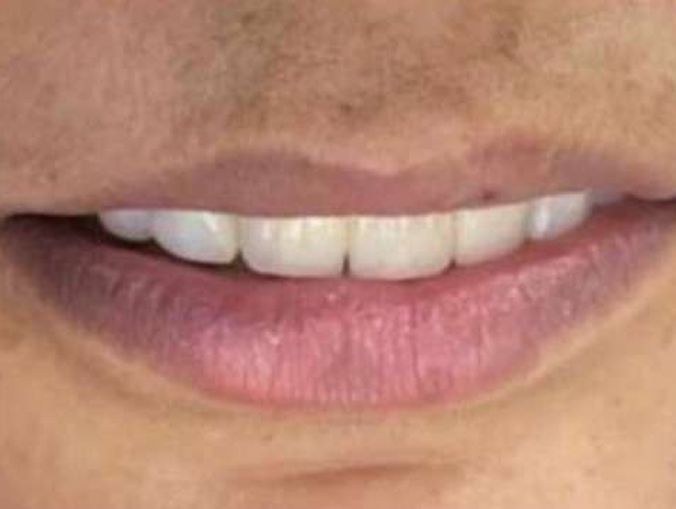
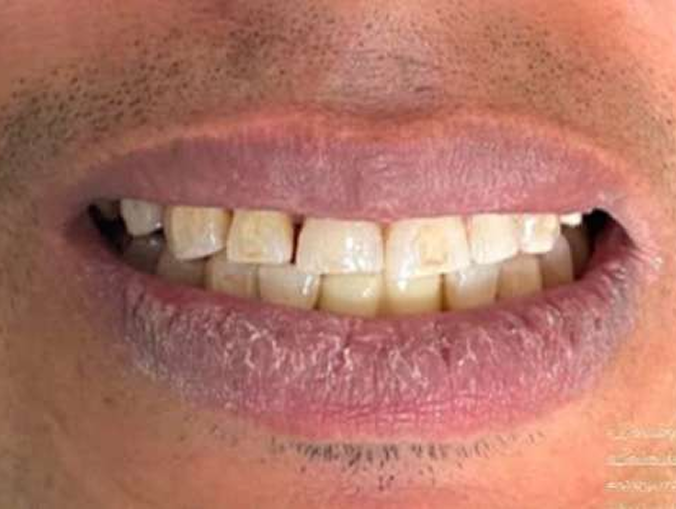
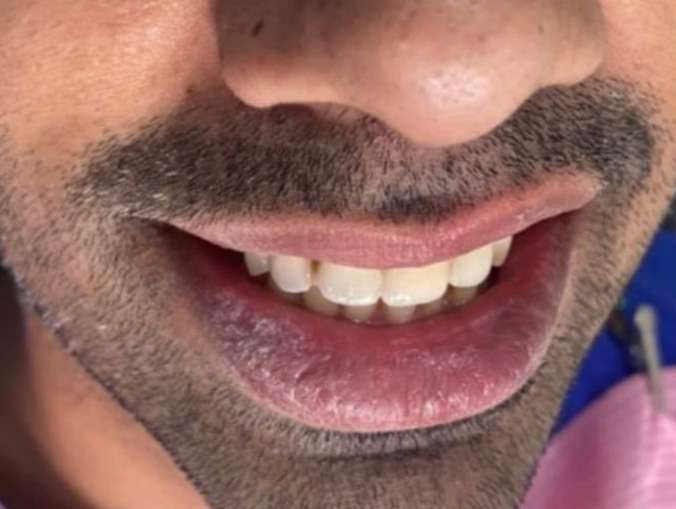
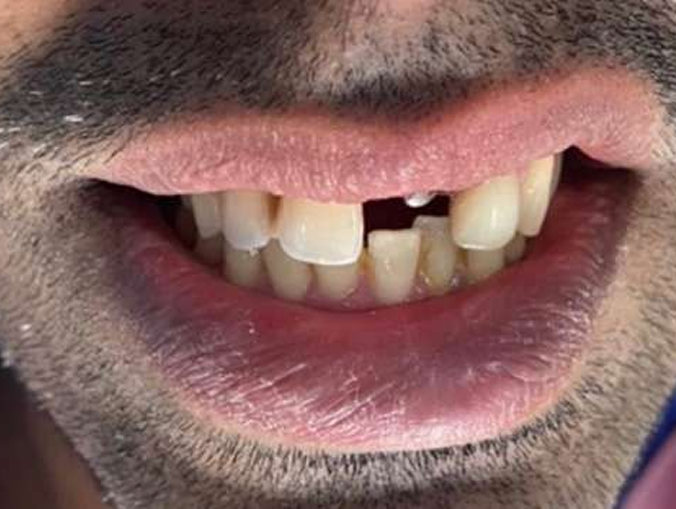
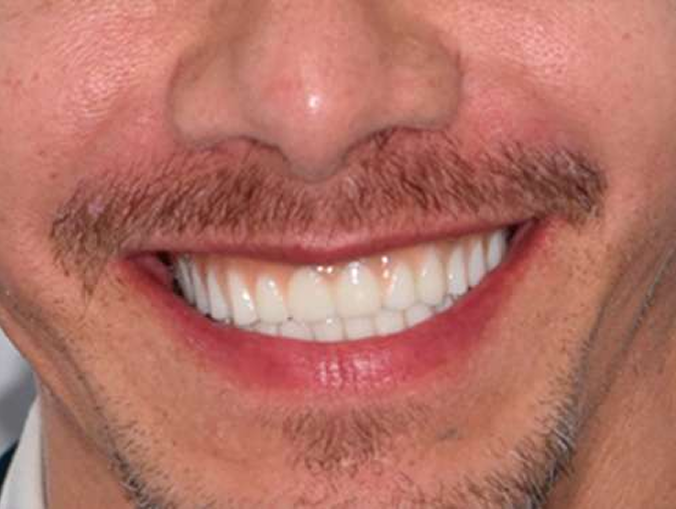
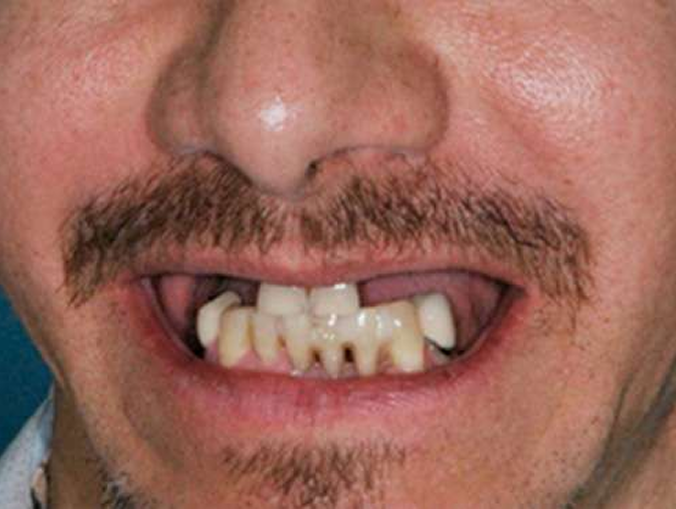
Check the Before & After Results
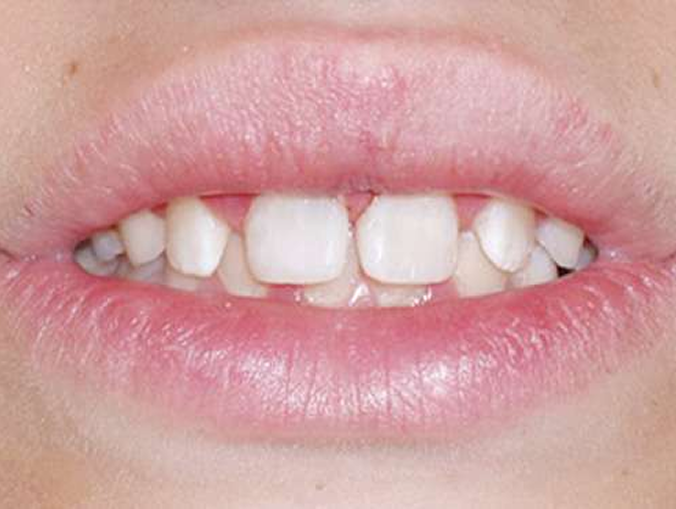
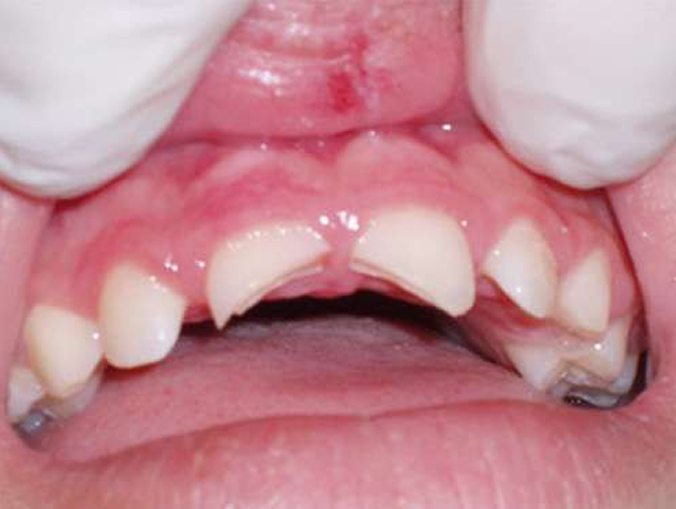
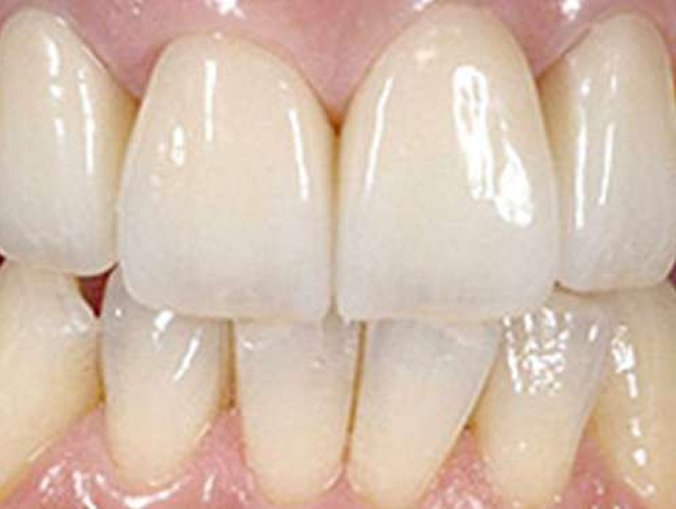
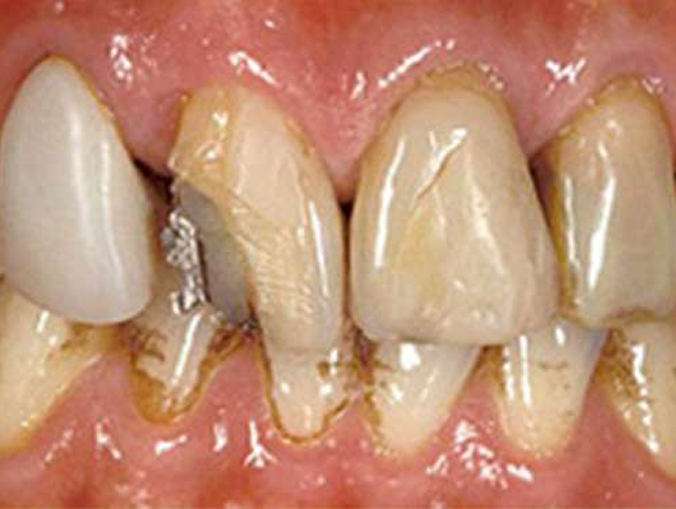
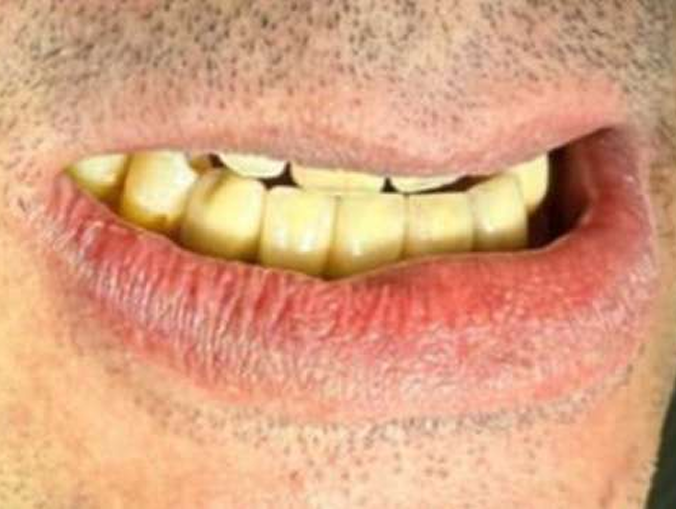
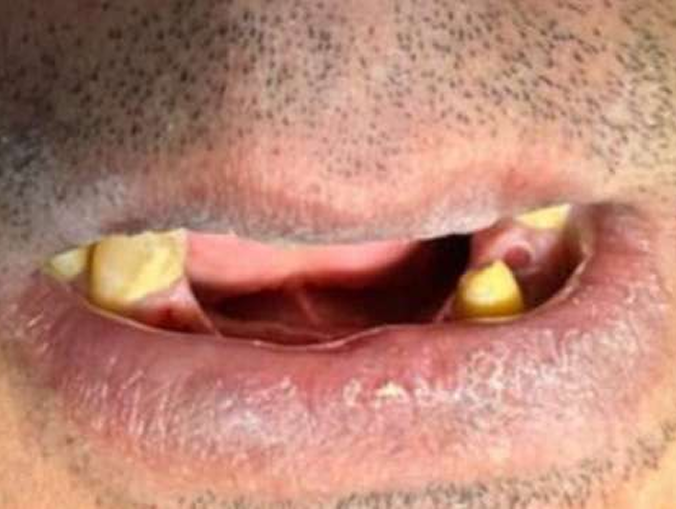
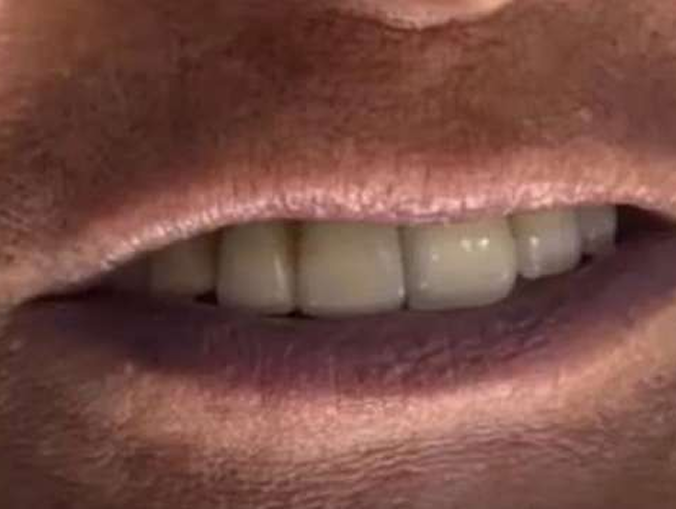
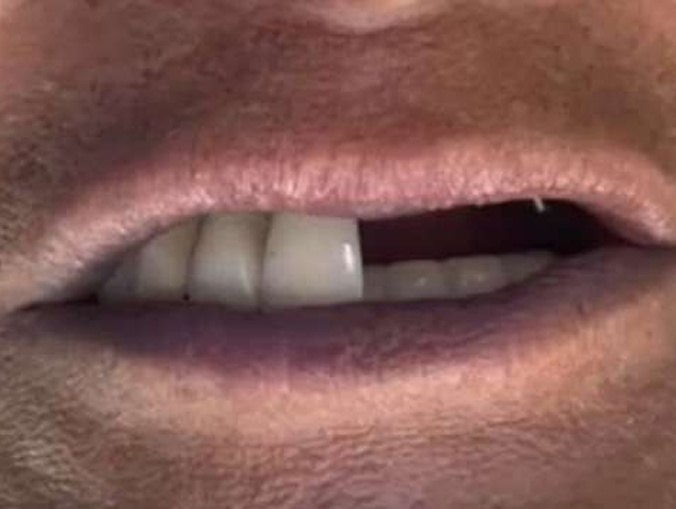
About Dental Implants
Dental implants are the most reliable and long-lasting replacement for missing teeth. Unlike dentures or bridges, they integrate with the jawbone to function exactly like natural teeth.
Benefits of Implants:
- Aesthetics: Dental Implants are designed to mimic natural teeth. They sit perfectly in your gums, giving you a confident, seamless smile.
- Protects Adjoining Teeth: Unlike bridges or dentures, a Dental Implant in Gurgaon does not rely on adjacent teeth for support. It actually helps preserve and stabilize surrounding teeth.
- Prevents Bone Loss: A Dental Implant stimulates your jawbone and prevents bone shrinkage. Early placement helps maintain facial shape and support.
- Long-Term Oral Health: Dental Implants protect your remaining teeth by distributing bite forces evenly — preventing wear, tilting, and over-eruption.
- Fixed, Durable & Low Maintenance: Once placed, your Dental Implant becomes a permanent part of your mouth — no need for daily removal or adhesives.
- No Fillings or Sensitivity: Dental Implants never decay or become sensitive. You can eat, smile, and live freely without worrying about pain or cavities.
All about Dental Implants?
Dental implants are a strong, long-term solution for replacing missing or severely damaged teeth. Unlike removable dentures, implants provide stability, comfort, and a natural appearance, making them the preferred choice for patients seeking a lasting restoration.
Dental implants are most commonly made from biocompatible materials like titanium or zirconia (a type of ceramic). Titanium is a metal known for its ability to bond with bone, while zirconia offers a tooth-colored, metal-free alternative. Both materials are safe for the body and are used to create the implant that fuses with the jawbone, serving as a strong foundation for artificial teeth.
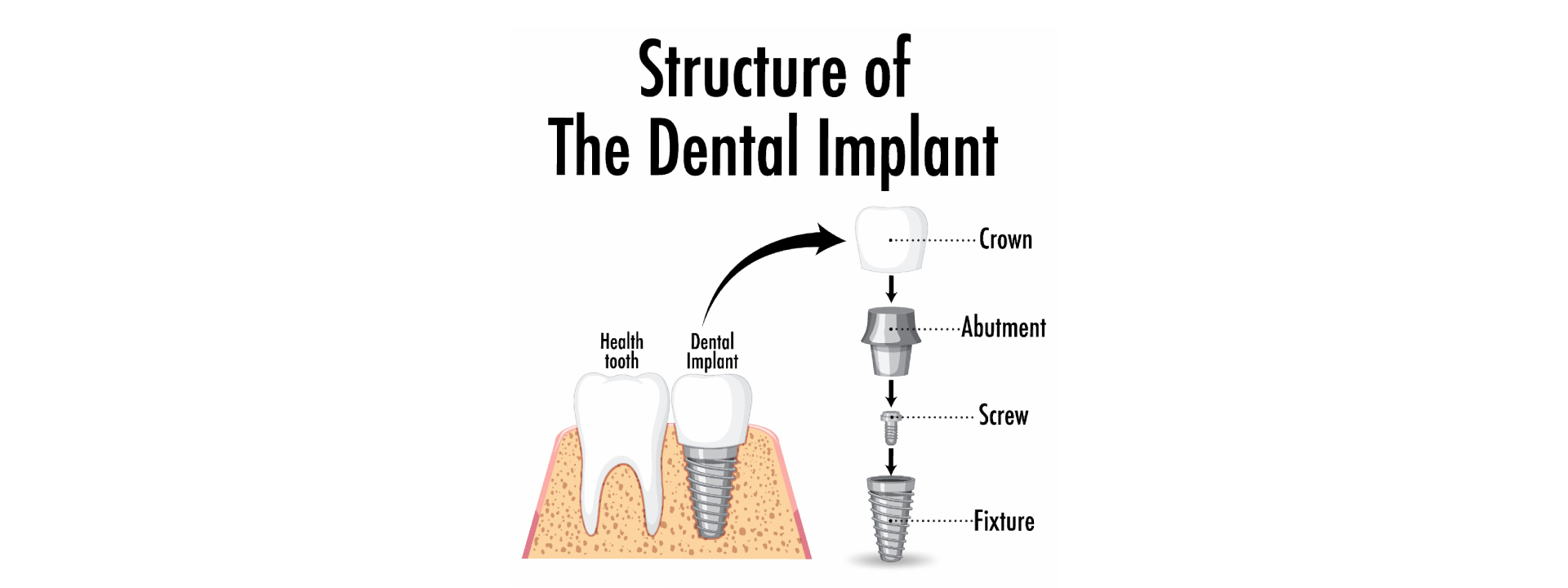
The Dental Implants are constitute three parts 1. Implant (Fixture) 2. Abutment 3. Crown.
Dental Implant Procedures (Conventional Dental Implants)
Getting dental implants typically requires two visits over 3-4 months. However, if the patient qualifies with adequate bone structure can be delivered in a single day with temporary prosthetics.
Depending upon particular case, it may take up to 3-4 months for osseointegration – process whereby the implant usually of Titanium, permanently fused with the living bone. This implant to bone connection makes the implant part of skeleton or jaw, thereby providing it capacity to bear load of a regular tooth.
Once you decide to visit a dental clinic for Dental implants the following is the flow of process.
- Planning Stage: Planning is the most critical part of the whole process especially in complex cases. A carefully and intelligently thought-out treatment plan is the difference between success and failure. Herein the dentist shall take X-rays to ascertain ascertain the bone density and structure of present teeth and basis if the parameters to place the best possible implants.
- Implant Placement: The Dental implant specialist will place the dental implant in the ideal spot to provide the best possible form and function t. Inspite of the latest implant systems, this is where the skill of the doctor comes into play and correctly placed iplant should give problem to patient for the lifetime.
- Healing: the bone around the dental implant will grow and integrate (Osseointegration) with the new Dental implant in up to 3-4 months depending
upon individual cases. The integration is important, as it is post this that the implant acquired the strength to bear load of a regular tooth. - Temporary Restoration: If the dental implant so placed is in a readily visible area, a temporary restoration shall be placed for aesthetic purposes while the site heals.
- Abutment Placement: Post the healing is complete, The dental implant abutment shall be placed along with the crown. The dentist is also expected to ensure the color of the implant is line with the existing teeth for natural look.
Types of Implants
Single Implant
A single dental implant is one of the most effective ways to replace a missing or damaged tooth without compromising the health of neighboring teeth. This is unlike the other option of bridges for damaged / missing teeth as a bridge would require shaving of the adjoining healthy teeth for placing a cap. Dental Implant integrates with the jawbone, preserves bone structure, and provides the same look, feel, and function as a natural tooth.
At The Dental Cure, we use 3D implant planning and advanced procedures to ensure accuracy and durability. Our implants are strong, natural-looking, and longlasting. Best of all, the cost of a single implant is often more affordable than most people expect.
All-on-4 Dental Implants
The All-on-4 procedure is designed for patients who have lost most or all of their teeth. With just four implants strategically placed in each jaw, patients can experience full restoration of function and aesthetics without the need for extensive bone grafting.
This method not only restores chewing and speaking abilities but also prevents bone resorption (loss of older bone), a common consequence of tooth loss. The Allon-4 solution is a life-changing option that provides immediate and lasting results. Howeever, it applicable only in cases with sufficient bone structure as the four implants need strong bone base to be bale to handle bite force over time.
All-on-6 / All-on-8 Dental Implants
For patients requiring greater stability and strength, All-on-6 or All-on-8 dental implants are the ideal solutions. By placing six or eight implants across the jaw, this approach ensures maximum anchorage and distributes bite forces evenly, providing superior comfort and durability.
This method offers the closest experience to having natural teeth, both in appearance and functionality, making it a preferred choice for those seeking a longterm, reliable solution.
What are Basal Implants?
Basal implants, also known as cortical implants, are designed to anchor into the basal or cortical bone, which is denser and less prone to resorption than the crestal alveolar bone. These implants are typically thin and long (unlike conventional which are shorter and thicker), allowing for placement even in cases where the alveolar bone is insufficient or missing. Basal implants are often used in immediate loading protocols, enabling the patient to receive functional teeth within 72 hours. They are suitable for a wide range of patients, including those who may not be ideal candidates for conventional implants, and usually do not require bone grafting or sinus lift procedures.
Comparison: Basal vs Conventional Implants
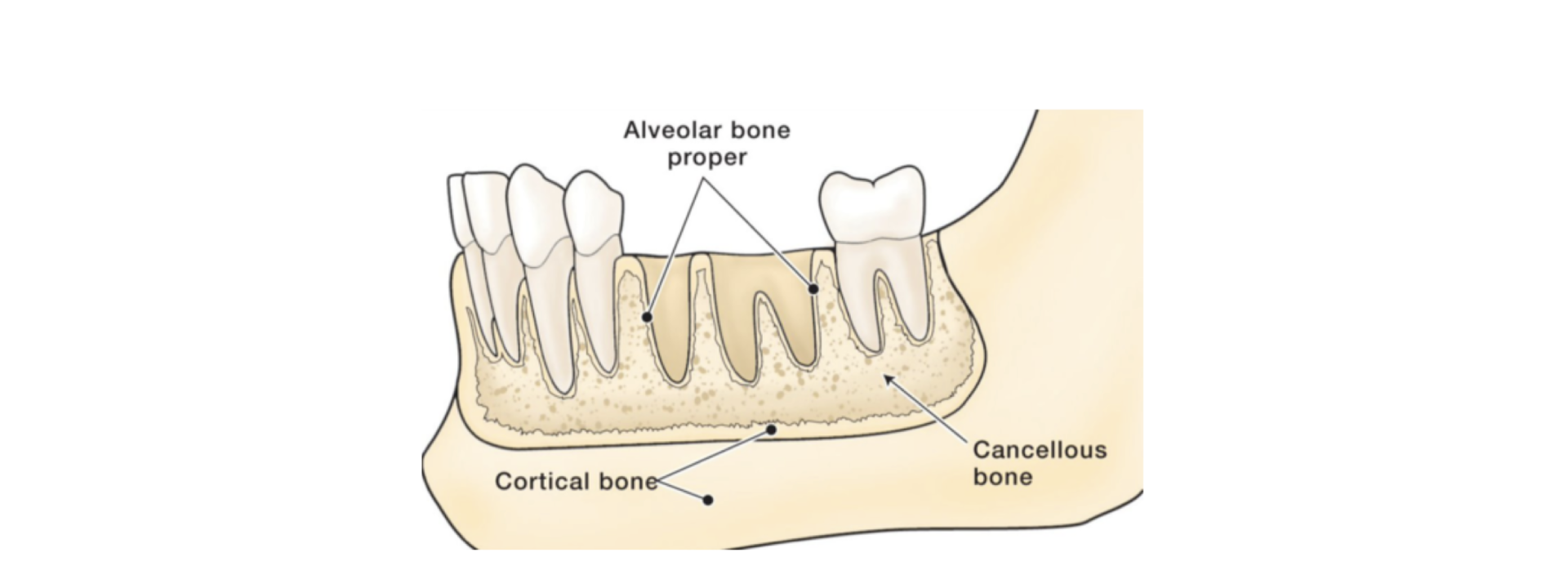
Before understanding the difference between Basal and conventional implants it is better to understand the difference between cortical and alveolar bone which shall be clear from below picture. Alveolar bone or cancellous bone (part of alveolar) (required for conventional implants) is where the natural teeth is anchored and may resorb with age of missing teeth for long time. Cortical bone (For Basal implants) is the jaw bone and is permanent and more dense.
|
Feature
|
Basal Implant
|
Conventional Implant
|
|---|---|---|
|
Indication
|
Mainly used for multipleunit restoration, often in extraction sockets or limited alveolar bone
|
Used for single or multiple-unit restoration
in patients with adequate bone
|
|
Anchorage & Stability
|
Cortical anchorage along vertical bone surfaces; excellent primary stability without additional procedures
|
Requires osseointegration (bone
grows around implant) for stability
|
|
Loading Time
|
Immediate loading (within 72 hours)
|
Delayed loading (3–6 months)
|
|
Surgical Procedure
|
Single-sitting, often flapless; less invasive and faster
|
More complex; may
require 2–3 sittings over
several months
|
|
Surgical Kit
|
Simple, minimal instruments needed
|
Requires a wide range of instruments and devices
|
|
Cost
|
More cost-effective
|
Generally more expensive
|
|
Implant Design
|
Single-piece implant provides excellent
strength
|
Two-piece design; sometimes connection
issues can occur
|
|
Patient Eligibility
|
Suitable for most patients
|
Not recommended for uncontrolled diabetes, smokers, or severe periodontal disease
|
|
Sizes & Designs
|
Wide range available
|
Limited range available
|
|
Bone Type
|
Utilizes dense, mineralized basal bone,
less prone to resorption
|
Uses crestal alveolar bone, more prone to
resorption
|
|
Bone Grafting
|
No need for bone augmentation or sinus
lift
|
Often requires bone
grafting or sinus lift
|
Dental Implant cost in Gurgaon / India
The cost of dental implants and related treatments can vary significantly, often by two to three times, due to multiple factors. Following the initial treatment planning—which includes diagnostic X-rays and a detailed discussion with the patient—the attending clinician will be able to provide a clear and transparent cost estimate.
Key factors influencing the pricing include:
- The choice of implant system: For example, premium systems such as Nobel Biocare typically cost approximately ₹45,000 per implant, whereas more
economical systems like ADIN start at ₹25,000 per implant. Similar variability exists in the selection of implant crowns. - The number of implants required: Depending on clinical considerations such as bone availability, patient health status, and habits, the number of implants needed may range from 8 to 16 or more.
- Additional surgical procedures: Certain cases may necessitate adjunctive procedures such as bone grafting or sinus lifts, which will further increase the
overall cost. - Advanced implant options: In scenarios involving severe bone loss, specialized implants such as Pterygoid or Zygomatic implants may be recommended, which typically incur higher expenses.
Patients are encouraged to undergo thorough consultation and diagnostic evaluation to receive an individualized and detailed cost quotation tailored to their specific treatment plan.
|
Treatment
|
Cost of Dental Implants (per implant)
|
|---|---|
|
Straumaan / Nobel Biocare
|
INR 45000
|
|
Zimmer/Bio Horizons/Dentium/
Osstem
|
INR 35000
|
|
Adin
|
INR 25000
|
|
Treatment
|
Cost of Crowns (per crown)
|
|---|---|
|
Zerconia Crown
|
INR 13500
|
|
PFM (Ceramic)
|
INR 8500
|
|
Bleeching
|
INR 10000
|
|
Hollywood Smile Design
|
INR 250000 - 400000
|
|
Full Mouth rehabilitation with Dental
implants & Zirconia crowns
|
INR 300000 -
600000
|
|
Full mouth rehabilitation with Dental
implants and PFM crowns
|
INR 250000 – 550000
|
|
Bone graft /sinus lift (if required)
|
INR 50000
|
Award-Winning Dental Clinic in Gurgaon
At The Dental Cure, we combine advanced technology with expert care to deliver exceptional dental treatments in a comfortable and hygienic environment. As an ISO-certified, world-class dental clinic in Gurgaon, our mission is to make every smile healthy, confident, and long-lasting.
We provide a complete range of dental solutions, including Digital Smile Design, Dental Implants, Invisalign, Full Mouth Rehabilitation, Fixed Teeth in an Hour, Crowns & Bridges, Dentures, Kids Dentistry, Root Canal Treatment, Braces, Teeth Whitening, and Cosmetic Dentistry.
Top Dental Brands
@
The Dental Cure















Book Your Appointment